
,
Emergency Response on I-75 Accidents
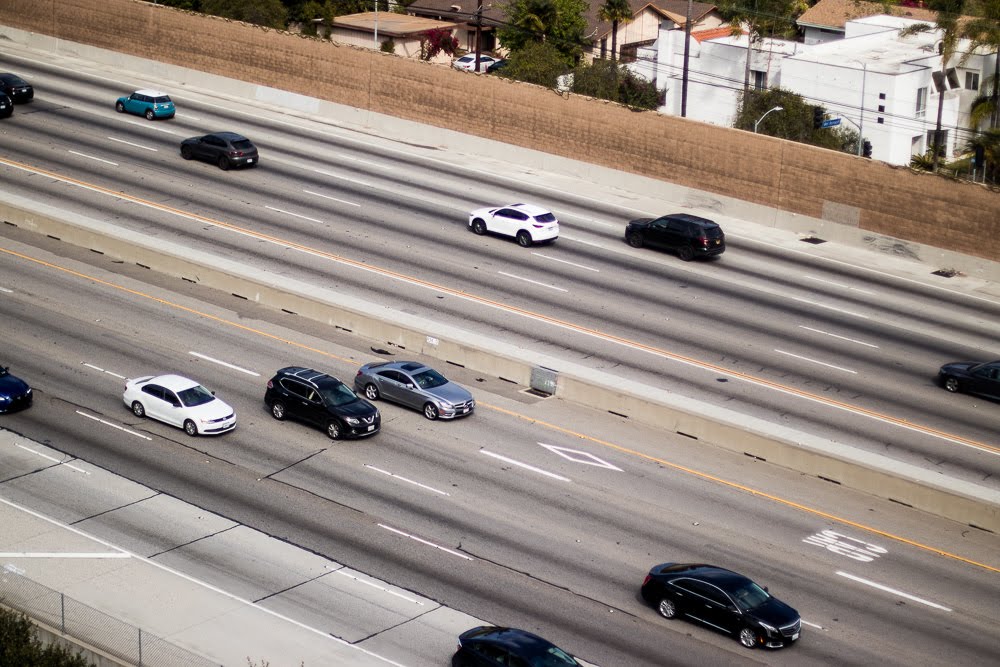

A crash on Interstate 75 (I-75) can bring traffic to a sudden stop, even when the damage looks minor. In those moments, emergency response must be fast and well-organized to ensure the prompt treatment of any injured victims, and also to minimize the impact of the accident on traffic flows.
Accident help time can feel slow when you’re stuck in traffic or sitting on the shoulder, but responders are often dealing with crowded lanes, limited shoulder space, and drivers who don’t move over.
Even a quick response still takes coordination, and a lot depends on where the crash happens and what the traffic looks like when help is headed your way.
What Happens First When a Crash Is Reported on I-75

Most crashes start with a 911 call, but the details aren’t always clear right away. Dispatchers usually ask where the crash is, which direction it’s in, and if anyone is hurt. That information affects which units get sent.
If the crash is blocking lanes, police may be the first to arrive so they can protect the scene and slow traffic down. Fire crews may respond when there’s a risk of fire, trapped occupants, or spilled fuel. EMS responds when people report injuries or when the crash looks severe.
Even before responders arrive, congestion on I-75 may occur. That’s when impatient drivers often weave or use the shoulder, which can create even more danger.
Why Does Accident Help Time Vary by Location and Traffic?
Getting emergency crews to an accident on I-75 quickly comes down to how easy it is for them to get through the traffic. If a crash happens near a major exit, the sheer volume of cars can create an immediate traffic jam.
But, if the accident is on a quieter, country stretch of the highway, there might be fewer cars, but the ambulance has a much longer distance to drive from the firehouse or hospital.
Response also depends on the time of day. Rush-hour backups can slow everything down. Late at night, responders might reach the scene faster, but it can take longer to confirm details if drivers are scattered or hard to locate.
How Responders Protect the Scene and Keep Other Drivers from Crashing
Once responders arrive, one of the first goals is to prevent another crash. That’s a concern on I-75, especially when traffic is still moving fast in open lanes. Police vehicles may block a lane to create a buffer. Fire trucks sometimes park at an angle to shield the scene. Flares, cones, and warning signs may go out to push drivers away from the shoulder.
EMS crashes can happen when passing drivers don’t slow down or move over. That’s why crews focus on creating space and forcing traffic to slow early. The Federal Highway Administration (FHWA) describes “quick clearance” as important for both safety and congestion, since clearing incidents sooner can reduce risks for travelers and responders.
What Do EMS Crews Do at the Scene Before Transport?
When EMS arrives, they usually start with fast checks. They look for serious injuries, signs of head trauma, chest pain, breathing trouble, and bleeding that needs immediate care. They also check whether anyone is trapped or pinned, which may require fire crews to cut doors or stabilize a vehicle.
You may also see EMS teams moving people away from traffic, even if the injuries seem minor. That’s because standing near active lanes is dangerous. Patient care and scene safety are tied together, and both affect how long the entire response takes.
Why “Minor” Crashes Can Still Take a Long Time to Clear
Drivers sometimes assume a crash should clear quickly if the vehicles can still move. But even a small crash can slow down emergency response and cleanup. A single damaged car on the shoulder can still cause backups. A tow truck may need room to hook up safely, or police may need to document positions and collect information.
Here are a few reasons clearance can take longer than people expect:
- Cars are blocking lanes with no safe way to push them out.
- Debris is spread across multiple lanes.
- The crash triggers another collision behind it.
Even when everyone is trying to move fast, safety comes first. If traffic keeps flowing too close to the scene, crews may hold lanes closed longer just to stay safe while they work.
What Drivers Can Do to Help Responders and Avoid Secondary Crashes
The way you behave on I-75 after a crash makes a real difference. Some drivers slow down smoothly and leave space. Others brake hard, stare at the wreck, or try to cut in late when a lane is closing. These last actions are what can cause even more congestion and trouble.
If you’re involved in the crash, try to stay calm and follow directions from law enforcement officials. If your vehicle can be moved safely, doing so may help reopen lanes faster. If you can’t move it, turn on hazard lights and stay somewhere safe until help arrives. The goal is to keep one crash from turning into two, especially on a fast road like I-75.
Legal Guidance After a Serious I-75 Crash
A serious crash on I-75 can be a stressful experience, and it’s normal to feel lost about your next steps. The most important thing is to take care of yourself and get medical attention right away, even if you think you just have a few bumps and bruises.
If you have suffered injuries in your I-75 crash and you are unsure about what to do next, get in touch with us. We can connect you with an I-75 car accident lawyer who can review your case, explain your rights, and walk you through your options.
Accidents currently listed on i75accidents.com
40 accidents in 2022
430 accidents in 2022
1 accident in 2022
2 accidents in 2022