
,
Fog Dangers Unique to I-75
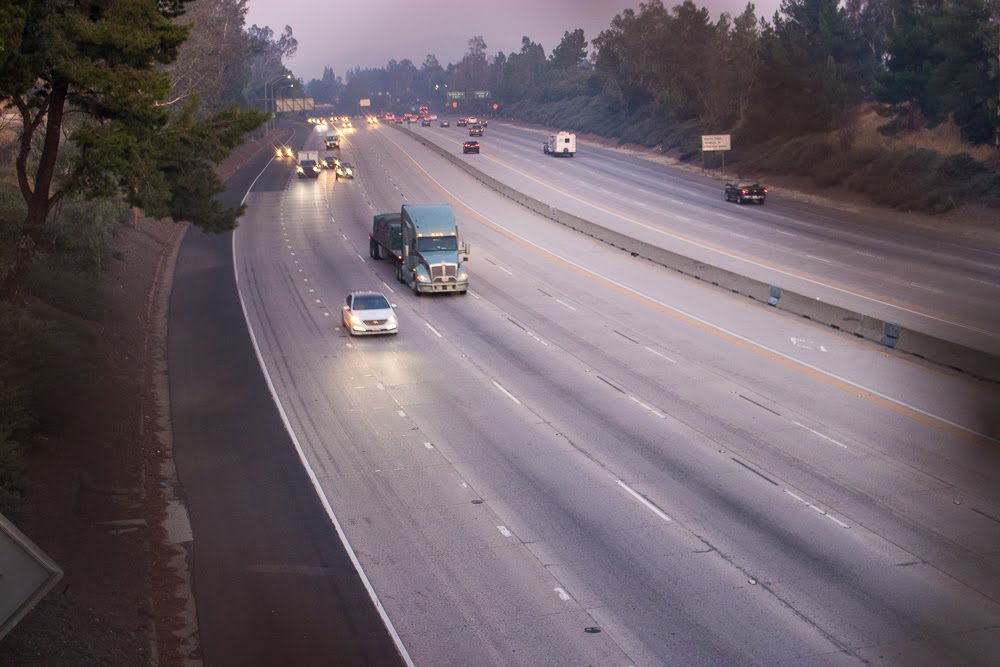

Fog creates some of the most confusing driving conditions on Interstate 75 (I-75). Drivers can move from clear visibility to near zero in seconds, often without any clear warning. The I-75 corridor passes through low-lying areas, river valleys, and stretches where warm air meets cooler ground overnight. Conditions like those allow fog to settle directly over travel lanes.
Some fog accidents tend to happen when the traffic speed does not drop quickly enough. Headlights reflect, taillights fade, and spacing disappears. Families, commuters, and long-distance travelers may not realize how fast conditions change until brake lights appear directly ahead. Visibility risks highway drivers face in fog are different from rain or snow because the road surface may feel dry even when sight distance collapses.
Why Fog Forms So Quickly along I-75
The presence of fog appears quickly along I-75 because of geography and airflow patterns that trap moisture near the roadway. In early morning or late evening, temperature differences between the ground and air allow fog to develop and spread across lanes. Drivers may see clear conditions ahead and then suddenly enter a dense fog bank.
Rapid shifts like this one create danger because drivers have little time to adjust speed. Vehicles often approach fog at highway pace, expecting the road ahead to remain visible.
Once inside the fog, depth perception drops, and distances feel distorted. Drivers may slow unevenly, and traffic compresses without warning. Fog accidents that drivers experience often start with that first moment of surprise, when sight distance disappears faster than reaction time.
How Does Fog Change Driver Perception and Reactions?
Fog changes how drivers perceive the road, other vehicles, and their own speed. Headlights reflect off moisture in the air, creating glare that makes it harder to see beyond the hood of the car. Taillights ahead may look closer or farther than they really are, leading to uneven braking.
Drivers react differently in fog, creating a mismatch with sudden closing gaps. Common experiences drivers report include:
- Brake lights are appearing without warning.
- Lane lines are fading into the fog.
- Difficulty judging how fast traffic is moving.
Conditions like these explain why visibility risks highway drivers face in fog often lead to chain-reaction crashes, even when traffic volume seems moderate.
Sudden Slowdowns and Chain-Reaction Crashes
Chain-reaction crashes in fog often begin with one driver who slows abruptly after spotting stopped or slowed traffic. Vehicles behind react seconds later, sometimes too late. On I-75, long straight stretches encourage steady speed, which makes sudden braking more dangerous.
Typical crashes follow a specific, predictable pattern: A driver who travels at highway speed enters a fog bank, leading to the traffic ahead slowing down or stopping abruptly. Because of limited visibility, the drivers who follow must then brake sharply or swerve.
Once one collision happens, others follow quickly. Fog hides the crash scene, leaving approaching drivers little warning. Fog accidents on I-75 often involve multiple vehicles because each driver reacts based on limited information and reduced sight distance.
Why Do Fog Crashes Often Involve Multiple Vehicles?
Crashes related to fog often involve multiple vehicles because drivers cannot see far enough ahead to respond smoothly. Even careful drivers may find themselves too close when traffic slows unexpectedly. On I-75, freight traffic and passenger vehicles mix closely, which increases the chance of secondary impacts when visibility drops.
After the first crash, debris and stopped vehicles remain hidden inside the fog. Drivers who approach the area may only see brake lights or hazard flashers at the last moment.
The Federal Highway Administration (FHWA) explains that adverse weather, including fog, is a major cause of non-recurring highway congestion and contributes to a large number of crashes each year. Weather-related conditions reduce visibility and disrupt traffic flow, which increases the likelihood of multi-vehicle collisions when drivers encounter sudden slowdowns.
Common Mistakes Drivers Make in Fog Conditions
Driving in fog often leads to critical errors that significantly raise the risk of accidents:
- Improper Lighting: Using high beams intensifies glare, worsening visibility.
- Reduced Space Cushion: Following too closely is dangerous; the sudden appearance of brake lights allows no time to react.
- Poor Lane Discipline: Over-focusing on the white line can cause drivers to drift out of their proper lane position.
- Excessive Speed: Driving too fast drastically shortens reaction time.
- Obstructing Traffic: Driving too slowly without activating hazard lights can surprise and endanger faster-moving, following vehicles.
Common errors like the ones mentioned are particularly risky on I-75. The existing variation in vehicle speeds on the highway amplifies the consequences of these mistakes. To manage visibility risks in fog, all highway drivers must focus on steady speed reduction, clear signaling, and maintaining increased space between vehicles, even when the road surface feels safe.
How Does Fog Affect Emergency Response on I-75?
Complications arise with emergency response when fog is present because responders face the same visibility limits as drivers. Locating crashes takes longer, and approaching the scene safely becomes harder. Emergency vehicles may block lanes far from the crash to slow traffic entering the fog.
Secondary crashes remain a concern during response. Drivers approaching emergency lights may not see them until they are very close. Responders work to create buffer zones and control traffic flow, but fog limits how far those warnings travel visually.
Accidents caused by fog on I-75 frequently result in prolonged closures and extensive delays, which persist even after the injured drivers have been transported and the damaged vehicles have been removed.
Legal Guidance After a Fog-Related Crash on I-75
Damage related to fog on I-75 can leave drivers and passengers dealing with injuries, vehicle complications, and lingering questions after traffic finally clears. Incidents like these often happen with little warning, reduced visibility, and sudden stops, and they may involve several vehicles at once. That combination can make it harder to understand what happened and what comes next.
Speaking with a qualified professional can help explain what typically follows a fog-related crash, which includes common reporting steps and practical issues drivers often face afterward. We can put you in touch with an I-75 fog accident lawyer who can review the situation and explain possible next steps in clear, practical terms, helping you sort through what follows after a serious fog-related roadway crash.
Accidents currently listed on i75accidents.com
40 accidents in 2022
430 accidents in 2022
1 accident in 2022
2 accidents in 2022