

,
Hazardous material accidents on I-75
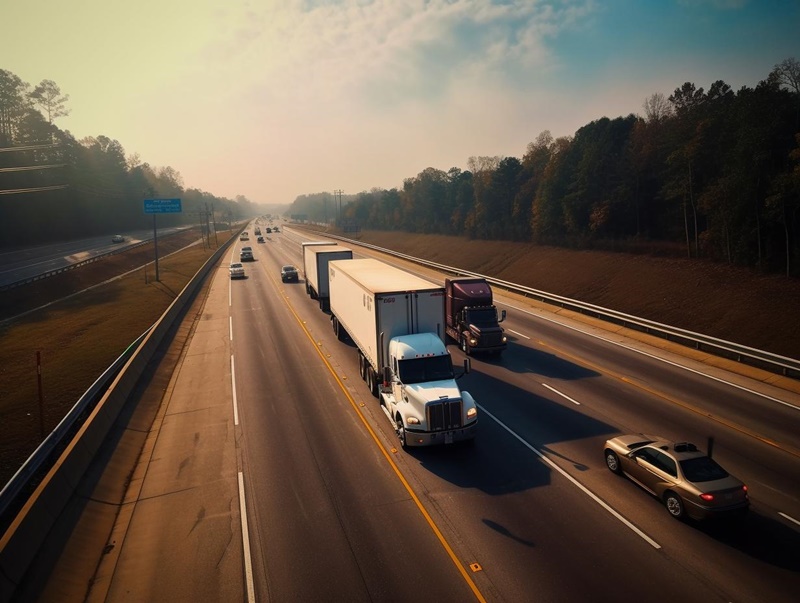

Interstate 75 (I-75) is one of the most important north–south highways in the United States, connecting major population centers, industrial hubs, and agricultural regions. Along with everyday passenger traffic, this Interstate carries a significant volume of commercial freight, including trucks transporting hazardous materials. When a hazmat crash occurs on I-75, the consequences can extend far beyond a typical traffic collision. Chemical exposure, fires, environmental damage, and large-scale evacuations are all possible outcomes. This article explains the risks associated with hazardous material crashes on I-75, how authorities respond, and what drivers should understand when encountering a chemical spill incident on the highway.
Why are Hazardous Material Crashes on I-75 Uniquely Dangerous
Hazardous material crashes on I-75 pose risks that go well beyond vehicle damage or traffic delays. Trucks transporting flammable, toxic, corrosive, or reactive substances can create immediate threats to public health and safety when involved in a collision. Even a small release can expose motorists and nearby communities to dangerous vapors or liquids. These risks are magnified on I-75 because the highway passes through dense urban areas, suburban corridors, rural towns, and environmentally sensitive regions.
Emergency response to these incidents requires specialized training, equipment, and coordination. The U.S. Department of Transportation supports this preparedness through programs like the Pipeline Emergency Response Grant (PERG), which funds training and planning for hazardous material incidents involving pipelines and related infrastructure. Because of these elevated dangers, hazmat crashes are treated as public safety emergencies rather than routine traffic accidents.
Common Hazardous Materials Transported Along I-75
The frequency of incidents involving hazardous materials on Interstate 75 necessitates immediate focus, a fact underscored by the common transportation of regulated substances along this corridor. Because I-75 serves diverse industries, trucks carrying materials such as these travel the route daily:
- Gasoline, diesel fuel, and other petroleum products.
- Industrial chemicals are used in manufacturing and processing plants.
- Agricultural fertilizers, pesticides, and herbicides.
- Compressed gases such as propane, chlorine, or ammonia.
- Toxic liquids are transported in tanker trucks.
When crashes involve these materials, responders must identify the substance quickly and determine the appropriate containment and safety measures, because each material presents different risks.
How Hazardous Material Crashes Typically Occur on I-75

A hazmat crash on I-75 often begins with factors common to many highway accidents, such as congestion, sudden braking, driver fatigue, weather conditions, or construction zones. However, the size and weight of hazmat trucks increase stopping distances and raise the risk of rollovers, jackknife incidents, or multi-vehicle collisions.
Even low-speed impacts can become serious if valves, tanks, or containment systems are damaged. A minor collision may lead to a slow leak that worsens over time, turning an initially manageable situation into a large-scale emergency. Because the consequences can escalate rapidly, authorities treat every suspected hazardous material crash as potentially dangerous.
Immediate Response to a Chemical Spill Highway Incident
When a chemical spill highway incident occurs on I-75, emergency response begins immediately and involves multiple agencies. Law enforcement typically secures the area by stopping traffic altogether and establishing a safety perimeter.
Hazmat teams may use specialized detection equipment, protective suits, and containment tools to control the spill. Depending on the material, responders may apply neutralizing agents, seal damaged containers, or transfer cargo to secure vehicles. Traffic remains restricted until responders confirm that the spill is contained and the area is safe. This process can take hours or longer, which is why drivers often experience extended delays during hazmat incidents.
Why Evacuations and Long Closures May be Required
Unlike standard crashes, hazardous material accidents on this Interstate may require evacuations or long-term road closures. Toxic fumes, explosion risks, or chemical contamination can make it unsafe for motorists, nearby residents, or workers to remain in the area. Authorities may order evacuations within a certain radius to prevent exposure.
These closures are not taken lightly. Emergency officials must consider wind direction, weather conditions, population density, and the chemical’s properties before allowing traffic to resume. Even after visible cleanup is complete, air quality testing and environmental assessments may be necessary. These measures are essential for protecting public health and preventing further harm.
What Drivers Should Do if They Encounter a Hazmat Crash on I-75
Drivers who encounter a suspected hazardous material crash on I-75 should:
- Prioritize personal safety and follow all instructions. Approaching a hazmat scene too closely can expose you to dangerous substances without warning, even if no spill is immediately visible.
- Follow detours and directions from law enforcement or emergency personnel without attempting to bypass closures.
- It´s also essential to remain inside your vehicle unless instructed otherwise, close windows if stopped nearby, and avoid using ventilation systems that draw in outside air.
Staying calm and compliant helps emergency responders do their jobs safely and reduces the risk of additional injuries or exposure.
Environmental and Public Health Impacts of Hazmat Crashes
A chemical spill highway incident can have lasting environmental and public health consequences. Hazardous substances may seep into soil, storm drains, rivers, or groundwater, affecting ecosystems and water supplies. Airborne chemicals can cause respiratory irritation, headaches, or more severe health effects depending on exposure levels and duration.
Environmental agencies often work alongside emergency responders to assess damage and oversee cleanup and remediation. This process may involve removing contaminated soil, treating affected water sources, and monitoring air quality over time. These broader impacts are a key reason hazmat crashes are investigated thoroughly and handled with caution, even after traffic is restored.
When Hazardous Material Crashes Raise Legal Concerns
Hazmat crashes on I-75 often involve complex questions of responsibility due to the number of parties involved, including drivers, trucking companies, cargo owners, and contractors. Injuries, property damage, business disruptions, or exposure-related health concerns may raise issues that go beyond a typical traffic accident.
If you are involved in or affected by a hazmat crash on I-75, understanding your options after the emergency response concludes can be important. By the end of the process, we can put you in touch with an I-75 car accident attorney who can help explain how hazardous material factors may affect your situation and what steps may be available moving forward.
Accidents currently listed on i75accidents.com
40 accidents in 2022
430 accidents in 2022
1 accident in 2022
2 accidents in 2022