

,
Rural vs urban stretches: accident differences on I-75


Interstate 75 (I-75) runs through some of the nation’s largest metropolitan areas while also cutting across long, sparsely populated rural regions. As a result, rural versus urban crashes follow distinct patterns in how they happen, how severe they are, and what risks drivers face. Understanding these differences is essential for anyone who regularly travels the corridor, especially because accident severity highway trends often depend more on where a crash occurs than why it starts.
This article compares the most common accident causes on rural and urban stretches of I-75, explains why injury outcomes differ, and highlights what drivers should watch for in each setting.
Why Location Matters More than Drivers Expect
Many people assume interstate crashes are broadly the same everywhere. In reality, location shapes almost every risk factor. Traffic density, speed, lighting, emergency response times, and driver behavior all change dramatically.
Urban segments are defined by congestion and complexity. Rural segments are defined by speed, distance, and isolation. Those differences explain why crash causes and outcomes diverge so sharply along the same highway.
Federal safety officials note that crash outcomes on rural roads tend to be more severe than in urban areas. According to the National Highway Traffic Safety Administration (NHTSA), rural roadway fatalities often occur at higher rates than urban crashes, highlighting the importance of targeted safety efforts where services and infrastructure are more limited.
Accident Causes on Urban Stretches of I-75
Urban portions of I-75 are dominated by congestion. Traffic moves in waves, with frequent braking, lane changes, and merges near interchanges.
Common urban accident causes include:
- Distracted driving.
- Following too closely.
- Sudden lane changes.
Drivers juggle navigation apps, signage, and surrounding vehicles while reacting to unpredictable slowdowns. Even minor lapses can lead to rear-end collisions or sideswipes in tightly packed lanes.
Work zones add another layer of risk. Urban construction areas often involve narrowed lanes, shifting traffic patterns, and short merge distances. Drivers unfamiliar with the area may brake abruptly or drift into adjacent lanes, increasing crash frequency. Urban crashes tend to occur at lower speeds.
Accident Causes on Rural Stretches of I-75
Rural segments of I-75 present a different set of hazards. Traffic volumes are lower, but speeds are higher, and monotony sets in. Drivers may feel comfortable cruising well above the speed limit, assuming risk is minimal because the road is open.
Fatigue is a leading factor in rural crashes. Long distances without exits, lighting, or visual stimulation increase the risk of drowsy driving and lane departure. Wildlife crossings, especially at night, add sudden hazards that drivers may not anticipate.
Loss-of-control crashes are far more common in rural areas. Excessive speed, weather changes, and overcorrection can cause vehicles to leave the roadway or cross medians. When these crashes happen, they are often severe because of the energy involved.
Unlike urban areas, rural stretches may lack immediate help.
How Accident Severity Differs Between Rural and Urban I-75 Crashes
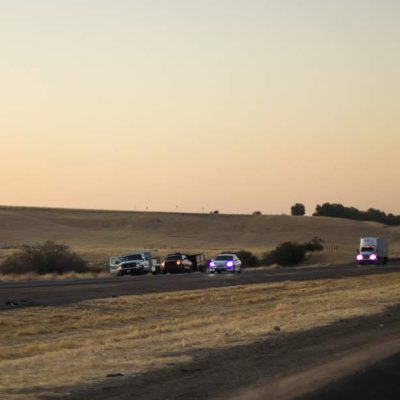
The most striking difference between rural and urban crashes is severity. Urban crashes happen more frequently, but rural crashes are more likely to be fatal.
In cities, congestion limits speed. Vehicles may collide more often, but impacts tend to be less violent. In rural areas, higher speeds mean greater force at impact, increasing the likelihood of catastrophic injuries or death.
Lighting also plays a role. Many rural segments of I-75 have limited illumination, making it harder to detect hazards early. Combined with speed and fatigue, this creates a higher risk of fatal outcomes.
These patterns explain why accident severity highway data consistently show worse outcomes outside urban areas, even on the same interstate.
Typical Injuries in Rural vs Urban Crashes
In urban crashes, injuries often include whiplash, soft-tissue injuries, and minor fractures. Though serious, these injuries are more likely to be treatable and survivable with swift and prompt care.
Rural crashes are more likely to involve high-speed impacts, rollovers, or ejections. Injuries in these cases frequently include traumatic brain injuries, spinal damage, internal bleeding, and multiple fractures. When emergency response is delayed, outcomes can worsen quickly.
Commercial vehicles also factor differently. While trucks are common in both settings, rural truck crashes tend to be more severe because of speed and stopping distance. Urban truck crashes more often involve congestion-related rear-ends.
What Drivers Should Adjust Based on Location
Because risk changes along the corridor, drivers should adjust these habits as I-75 transitions from urban to rural or vice versa:
- In urban areas, increase the following distance. Expect sudden braking and frequent merges.
- In rural areas, manage speed carefully. An open road does not mean low risk.
- Stay alert for fatigue in long rural stretches. Take breaks before drowsiness sets in.
- Watch for wildlife at night outside cities. Especially near wooded or undeveloped areas.
- Anticipate congestion when approaching metro zones. Slow down before traffic compresses.
- Adjust driving for lighting conditions. Limited visibility increases risk in both settings.
These adjustments help reduce risk regardless of where you are on I-75.
What this Means After a Serious I-75 Crash
Crash location significantly impacts injury severity, investigation, and recovery. Crashes in rural areas often mean fewer witnesses and slower response times, while urban crashes frequently involve more vehicles and conflicting witness statements on the road.
Key evidence, including scene photographs, vehicle data, and medical records, is crucial for determining the sequence and cause of the incident. The distinction between rural and urban locations is critical because it offers crucial context for contributing elements like speed, common visibility levels, and the potential length of emergency response delays. This understanding is essential for a thorough and accurate accident reconstruction and legal analysis.
Staying Safe on I-75
Interstate 75 is not one highway with one risk profile. It is a series of very different environments stitched together by pavement. Rural versus urban crashes differ in cause, frequency, and severity, and those differences explain why accident severity highway trends shift so dramatically along the corridor. Drivers who recognize these patterns can adapt their behavior and reduce their risk as conditions change.
If you were injured in a crash on this corridor and need help understanding your options, we can put you in touch with an I-75 car accident attorney who can review what happened and help you determine the next steps.
Accidents currently listed on i75accidents.com
31 accidents in 2022
486 accidents in 2022
2 accidents in 2022