
,
Speed Differences Between Trucks & Cars on I-75
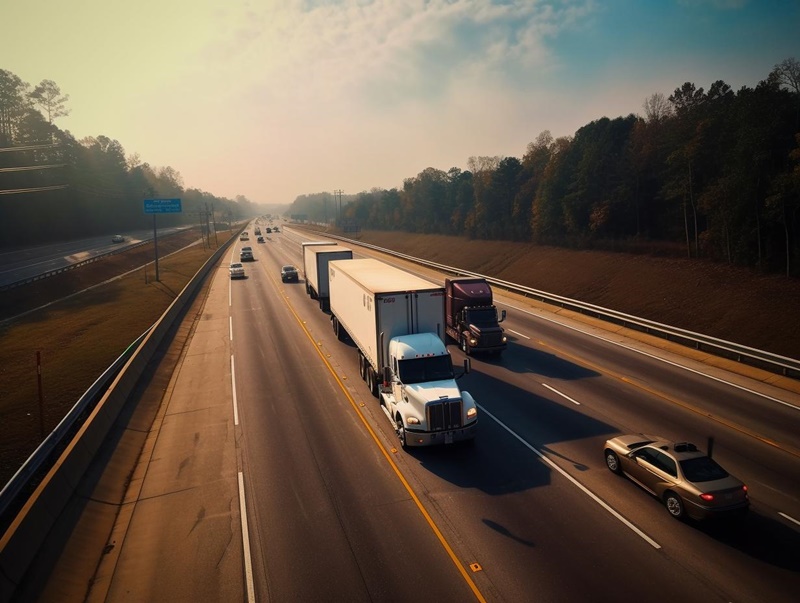

Interstate 75 (I-75) carries a steady mix of passenger vehicles and large commercial trucks through cities, suburbs, and long rural stretches. Drivers often notice that traffic feels uneven, with cars moving faster while trucks hold steadier speeds. These speed differences are a common factor in crashes along I-75. When vehicles of very different sizes and weights share the same lanes, timing and space matter more. This article explains how truck versus car speed on I-75 conditions raises accident risk, what drivers see every day on the road, and how speed gaps affect safe highway travel for families, commuters, and long-distance travelers.
Why Do Trucks and Cars Travel at Different Speeds on I-75?
Trucks and cars travel at different speeds on I-75 because they are built and operated differently. Passenger vehicles accelerate quickly, slow down faster, and adjust speed easily in traffic. Large trucks take longer to gain speed and need more distance to slow or stop. Truck drivers often keep steady speeds to manage fuel use, engine strain, and traffic flow, especially on long trips.
On I-75, this difference becomes noticeable near hills, construction zones, and busy interchanges. Cars may speed up to pass, while trucks maintain a lower, consistent pace. This creates clusters of vehicles moving at different speeds in the same space. These speed gaps increase the chance of sudden braking, lane changes, and close following distances, all of which raise crash risk.
Speed Gaps and Crashes Between Trucks and Cars
Speed gaps raise crash risk because they shorten reaction time. When a car approaches a slower truck too quickly, the driver may brake hard or swerve at the last moment. On I-75, this often happens near traffic backups, work zones, or exits where cars slow suddenly.
Rear-end crashes are common when drivers do not expect a truck ahead to be moving more slowly. Side-impact crashes also happen when cars cut in front of trucks without enough space. A truck cannot slow as quickly as a car, even at moderate speeds. These situations show how truck versus car speed on I-75 conditions turn small timing errors into serious collisions, especially during heavy traffic or poor weather.
Where Speed Differences Become Most Dangerous on I-75
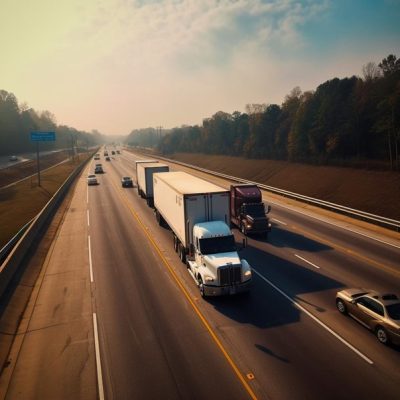
Speed differences are most dangerous in areas where traffic patterns change quickly. This includes city approaches, construction zones, steep hills, and locations with frequent merging. On downhill stretches, trucks often slow to manage braking and maintain control, while cars may gain speed without realizing traffic ahead is slowing. On uphill sections, trucks lose momentum as cars accelerate to pass, creating sudden speed gaps.
Some common high-risk locations include:
- Long uphill grades where trucks slow noticeably.
- Construction zones with reduced lanes.
- Interchanges with heavy merging traffic.
- Urban areas during stop-and-go congestion.
In these settings, uneven speeds trigger more lane changes and sudden braking, increasing the chance of rear-end and side-impact crashes for everyone sharing the roadway.
What Do Drivers Usually Notice Before Speed-Related Crashes?
Drivers often sense danger before a crash happens on I-75. Cars may bunch up behind trucks, drivers may follow too closely, or vehicles may dart between lanes while trying to keep pace with traffic. This behavior is especially common during peak travel times, when congestion builds, and patience wears thin.
Trucks often remain in one lane to maintain a steady speed, while cars weave around them searching for open gaps. Those gaps close quickly as speeds change from moment to moment. When one driver brakes suddenly, others react in a chain, sometimes too late to avoid impact. These everyday scenes show how speed differences affect safety highway conditions long before sirens sound, lanes close, or traffic grinds to a halt.
How Weather and Traffic Make Speed Differences Worse
Speed differences between cars and trucks on I-75 often become more dangerous when the weather and traffic change suddenly. Trucks may slow to maintain stability, while cars may struggle to adjust speed quickly during conditions such as:
- Rain.
- Fog.
- Strong wind.
- Glare from sunlight.
In heavy traffic, trucks often keep steady speeds to avoid constant braking, and cars surge forward whenever gaps open.
These conditions make uneven speeds harder to manage safely. When drivers do not adjust for slower truck movement, sudden braking and lane changes become more common. The Federal Motor Carrier Safety Administration (FMCSA) offers guidance on shared-road safety through its Our Roads, Our Safety program, which focuses on real-world safety practices for both truck and passenger vehicle drivers, such as a numbered list of tips for driving safely around large trucks or buses, and also one for commercial motor vehicle drivers.
How Can Drivers Reduce Risk Around Trucks on I-75?
Drivers cannot control how fast trucks move on I-75, but they can control their own spacing and timing. Leaving extra room between vehicles gives more time to react when traffic slows or speeds change suddenly. Passing trucks with care and avoiding cutting in front of them reduces the need for hard braking and sudden corrections.
Staying alert near hills, construction zones, and busy exits also helps limit surprises when traffic patterns shift. These habits reduce stress and allow drivers to respond more calmly during heavy traffic. By adjusting speed, spacing, and lane position, drivers lower the chance of being involved in a speed-related crash and help maintain safer highway travel for everyone during busy travel periods.
After a Speed-Related Crash on I-75
When a crash happens, questions often come up after traffic clears and the immediate stress begins to fade. Drivers and passengers may wonder what caused the collision, what steps to take next, or how the situation may affect work, travel, or daily routines.
If you were involved in a collision on I-75 where speed differences between trucks and cars may have played a role, it can help to review the details once things have settled. Looking back at road conditions, traffic flow, and vehicle movement can provide clarity. We can put you in touch with an I-75 car and truck accident attorney who can explain available options and possible next steps in clear, practical terms.
Accidents currently listed on i75accidents.com
40 accidents in 2022
430 accidents in 2022
1 accident in 2022
2 accidents in 2022