
,
How to Report Debris or Hazards on I-75
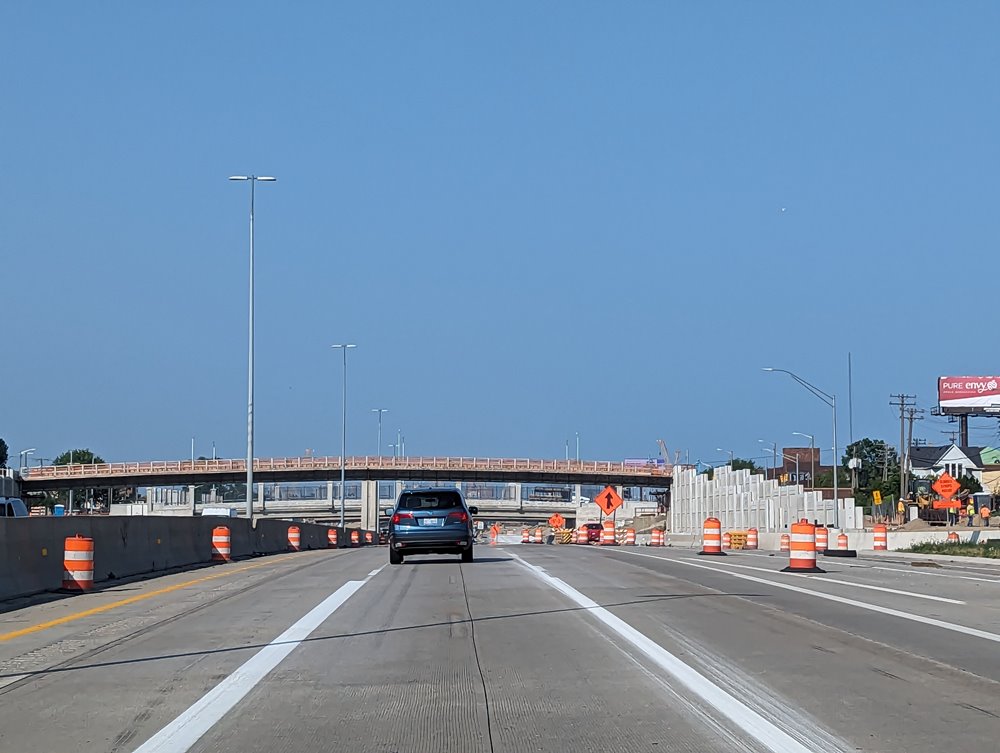

Debris and unexpected hazards on Interstate 75 (I-75) can appear without warning, such as vehicle parts or construction materials, or fallen trees. A tire tread, fallen cargo, or damaged guardrail can create serious danger for drivers traveling at highway speed. Knowing how to report debris on the highway helps protect other motorists and may prevent secondary crashes.
Motorists often wonder who to call, what details matter, and whether a road hazard hotline exists for interstate issues. The sections below explain how an interstate obstruction report usually works, what steps are safest, and what drivers should expect after making a report.
Why Is Pulling Over Safely Before Making Any Call the First Step?
The safest way to report debris on the highway is to focus on getting out of danger first. Drivers should never stop in an active lane or attempt to handle debris themselves. On I-75, traffic often moves quickly, and stopping suddenly can cause a serious crash.
If possible, before you do anything else, exit the interstate or pull onto a wide shoulder well away from traffic flow. Once safely stopped, drivers can make a call without distraction. An interstate obstruction report is only helpful if it is made clearly and safely. Trying to dial while driving or reacting in panic can put the reporting driver at risk too.
Call 911 for Immediate Roadway Dangers
A major hazard in the roadway should usually be reported through 911. Large debris, blocked lanes, or a crash-related obstruction can create an emergency situation, especially if vehicles are swerving suddenly. Dispatchers can send law enforcement or highway response teams quickly.
Drivers should describe the hazard in plain terms and give the best location possible, such as the direction of travel and the nearest mile marker or exit number. A road hazard hotline may exist in some states, but 911 remains the fastest option when the obstruction creates an immediate threat. Report debris on the highway promptly when it could cause a collision.
How Can State DOT Systems Handle Non-Emergency Reports?
Some hazards do not require an emergency response but still need attention. Smaller debris on the shoulder, damaged signs, or objects that are not blocking a lane may be handled through state transportation departments or roadway service teams. Many states offer maintenance request systems that help crews locate problems on major interstates like I-75.
Motorists should also remember that vehicles equipped with newer safety tools may help reduce the danger when hazards appear suddenly. The National Highway Traffic Safety Administration (NHTSA) explains that some driver assistance technologies are designed to warn drivers if they are at risk of an impending crash, while others are designed to take action to avoid a crash, such as automatic emergency braking. Even with these features, reporting debris on the highway remains important so the hazard can be removed.
What Details to share in Your Report
A clear hazard report depends on useful, simple details. Dispatch and Department of Transportation (DOT) crews need enough information to find the problem quickly without any type of confusion. Drivers do not need to have perfect wording, but they should avoid vague descriptions.
Helpful information includes:
- Direction of travel (northbound or southbound).
- Nearest exit, mile marker, or landmark.
- What the debris or hazard looks like.
- Whether it is blocking a lane or on the shoulder.
Report debris on the highway with calm, direct language. The goal is to help responders locate the obstruction before another driver hits it or swerves suddenly.
Why Debris Creates Serious Crash Risk
Debris is extremely dangerous because it forces immediate and quick decisions at highway speed. Drivers may brake sharply, swerve into another lane, or lose control if they strike an object. On busy stretches of I-75, a single hazard can create a serious chain reaction behind it.
Interstate obstruction report systems exist because roadway debris is not just a major inconvenience. It is a common cause of secondary collisions when drivers do not have sufficient time to react smoothly. Reporting hazards quickly gives road crews a better chance to remove the danger before traffic builds up or an accident occurs, or is narrowly avoided
When Do You Need to Avoid Stopping or Turning Around?
Drivers sometimes feel tempted to retrieve items that fall from their vehicle or stop immediately after noticing debris. That is extremely unsafe on an interstate like I-75. Walking on the shoulder or attempting to cross lanes puts people directly in the path of fast-moving traffic.
A few important safety rules apply:
- Never stop in a travel lane to investigate debris.
- Do not attempt to remove objects yourself.
- Avoid sudden U-turns or backing up on ramps.
- Call emergency services instead of re-entering traffic on foot.
Report debris on the highway, but do it without placing yourself or others in immediate danger.
What Happens After a Hazard is Reported
After a report is made, response depends on the severity of the hazard. Police may secure the area if the obstruction blocks lanes or caused a crash. DOT crews may be dispatched to remove debris or close a lane temporarily.
Drivers should not expect immediate public updates unless traffic becomes heavily affected. Some hazards are cleared quickly without any major delay, while others require additional equipment or lane closures. Road hazard hotline reports help agencies track problem spots, but timing varies a lot. The most important step is that the hazard is communicated to the right responders instead of being ignored.
How Reporting Hazards Helps Protect Other Drivers in I-75
Knowing how to report debris on the highway is a practical safety step for anyone traveling on I-75. Large hazards should be reported through 911, while smaller issues may go through state DOT channels. Clear location details and safe reporting habits help responders act faster.
Debris and roadway obstructions can lead to sudden swerves, hard braking, and serious crashes, especially in high-speed traffic. Reporting hazards responsibly helps keep I-75 safer for everyone. If you need support after a serious collision, we can put you in touch with an experienced I-75 debris or hazard car accident lawyer to discuss your situation.
Accidents currently listed on i75accidents.com
41 accidents in 2022
428 accidents in 2022
1 accident in 2022
2 accidents in 2022