
,
Legal Options After an Accident on I-75

Crashes on Interstate 75 (I-75) can cause more trouble than just calling a tow truck and fixing your car. A bump from behind in slow traffic might make you sore later. Brushing against another car near a busy exit could start an argument about who moved first. Even a small accident can lead to weeks of calls, forms, and missing work.
When people look up I-75 crash lawsuits or legal help for highway accidents, they want to know their options after something bad happens. Some cases stay within the insurance process and end without much fuss. Other cases turn into bigger fights when injuries are bad, it’s not clear who’s at fault, or the insurance company won’t help. Knowing the basic steps can help drivers protect themselves and make the process easier to handle.
What to Do Right After an I-75 Crash to Protect Your Claim
A safe scene comes first. If vehicles can move and traffic allows it, pulling to the shoulder or a safer area can reduce the chance of another impact. Police and medical help may be needed when injuries are involved.
Drivers should also start documenting early while details are fresh. Photos of vehicle positions, damage, skid marks, debris, road signs, and weather conditions can matter later. A quick note on your phone about the direction of travel, lane position, and speed of traffic can be useful.
The U.S. Department of Transportation (DOT) explains that saving lives doesn’t stop once a crash happens. Fast access to emergency medical care can keep injuries from turning fatal, and the timely arrival of emergency responders and trained EMS clinicians can affect whether someone gets the care they need, especially in rural areas where response times may be longer and resources more limited.
How Do Insurance Claims Usually Work After an I-75 Accident?
Insurance claims often start with a report to your own insurance company, the other driver’s insurer, or both. The right path depends on where the crash happened, the type of coverage, and how fault is determined. Medical records may come into play if injuries require treatment.
One claim can move quickly when fault is clear and damage is minor. Disputes tend to happen when injuries are involved or drivers tell different stories. Insurance adjusters may review vehicle damage patterns, look at accident scene photos, and read the police report.
Legal recourse highway crashes can still start in the claim phase, especially when the at-fault driver denies responsibility. Keeping organized records can make the process smoother, even if it becomes contested.
Why Fault Disputes Happen So Often on I-75
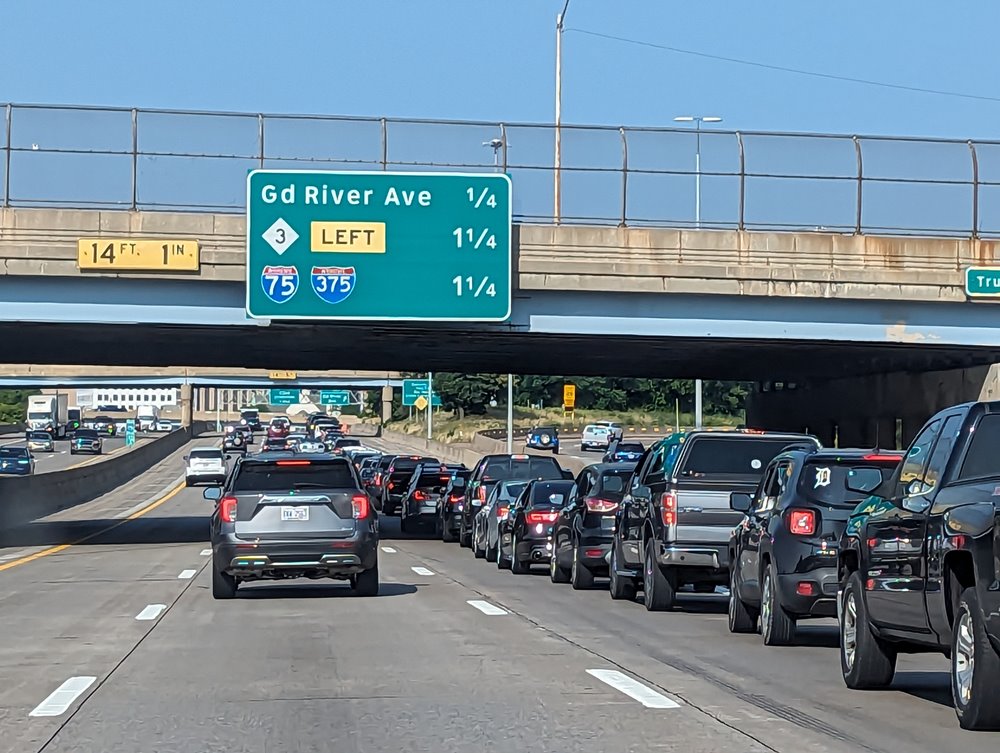
Interstate 75 traffic can change fast. Drivers deal with short merges, crowded exits, heavy truck traffic, and sudden slowdowns that appear without warning. That makes fault disputes common, even in collisions that look straightforward.
A realistic example is a rear-end crash near a congested interchange:
- A driver stops quickly because traffic ahead is backing up.
- The driver behind hits them and argues the stop was sudden and unreasonable.
- Another common dispute involves lane changes.
- A driver merges into a gap, contact happens, and both drivers claim they stayed in their lane.
Disputes become harder when no independent evidence exists. Photos, dash cam video, witness contact details, and the police report can help show what happened. Without those, the claim may turn into a “he said, she said” fight.
When Do I-75 Accident Lawsuits Become Part of the Process?
Many crashes settle through insurance without a lawsuit. Lawsuits tend to come up when injuries are serious, the insurance coverage is limited, or negotiations stall. A lawsuit is a formal case filed in court, often used when the parties cannot agree on responsibility or value.
Any type of lawsuit may also happen if an insurer denies a claim outright. A driver might be told the accident wasn’t covered, the injuries weren’t related, or the damages are being disputed. Three situations often lead drivers to consider filing a lawsuit:
- Disagreement over fault in a multi-vehicle crash.
- Serious injuries that require ongoing care.
- Settlement talks that stall without progress.
Lawsuits can take time, and they can feel stressful. Even so, they can be the step that forces the claim to move forward.
Mistakes that can hurt your case after a highway crash
Stress after a crash can lead to careless statements. Saying “I’m fine” might feel polite at the scene, but symptoms can show up later. Apologizing can also create confusion, even if you meant it as courtesy rather than admitting fault.
Insurance conversations can cause problems too when there´s different statements. A recorded statement might lock you into wording you regret later. A driver may guess about speed or distance, then find out the details don’t match the collision report. Social media posts can also be misunderstood, especially if they show travel, activity, or jokes about the accident. One simple rule may help in this situation: stick to clear facts and avoid guessing when you don’t know the answer.
Accident lawsuits on I-75 often involve careful review of early statements. A small mistake made on the first day can turn into a bigger argument weeks later.
How an Attorney Can Help with Claims and Lawsuits After an I-75 Collision
Some drivers handle minor claims on their own and feel comfortable doing so. Others prefer help when injuries are serious, fault is disputed, or insurance delays become exhausting. A lawyer can review the facts, organize records, and communicate with insurance companies.
An attorney may also help if a case moves toward court. That can include filing paperwork, meeting deadlines, and gathering evidence like medical records, repair documents, and witness statements. Lawsuits have rules that can be easy to miss if you’ve never dealt with the court system.
If you want legal guidance, we can put you in touch with an I-75 car accident lawyer who can review the situation and explain your options in plain language. Legal support after highway crashes isn’t always about going to court. Sometimes it’s about having someone handle the pressure while you focus on recovery and getting your life back to normal.
Accidents currently listed on i75accidents.com
40 accidents in 2022
430 accidents in 2022
1 accident in 2022
2 accidents in 2022