
,
Tourist Traffic Impact on I-75 Safety


Interstate 75 (I-75) carries a steady mix of daily commuters and long-distance travelers, but conditions shift quickly when tourist traffic increases. Vacation seasons, holiday weekends, and event travel bring unfamiliar driving patterns onto a highway built for constant movement.
Drivers hauling luggage, families following navigation apps, and visitors watching for exits all share lanes with local traffic moving at routine speeds. Those differences create moments of hesitation, sudden moves, and uneven flow that raise safety concerns.
How Does Tourist Traffic Change Driving Patterns on I-75?
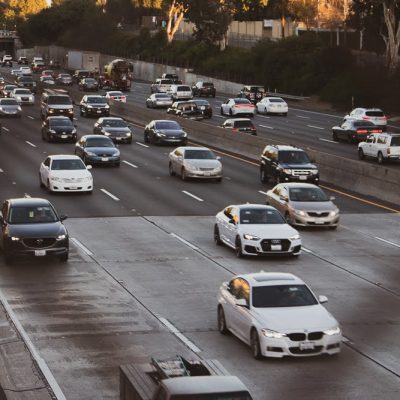
Tourist traffic affects I-75 by altering how drivers use lanes, ramps, and speed. Visitors often slow down near exits, searching for signs or landmarks. Others realize an exit is approaching too late and make abrupt lane changes to avoid missing it. Local drivers, expecting a steady flow, may not anticipate these moves. Speed differences on I-75 appear quickly, especially near destinations, rest areas, or toll approaches.
Rental vehicles add another layer. Drivers unfamiliar with vehicle size or handling may brake earlier or hesitate during merges. Navigation apps sometimes reroute traffic unexpectedly, causing clusters of vehicles to slow or shift lanes together.
Each small adjustment affects the drivers behind. When many vehicles behave differently at once, gaps close fast and reaction time shrinks, creating conditions where minor mistakes escalate.
Out-of-State Drivers and Lane Discipline Challenges
Out-of-state drivers often bring habits shaped by different roads and traffic norms. Lane discipline varies by region; drivers may stay in passing lanes longer than locals expect, while others might move right too early, slowing traffic behind them. Confusion grows when signage, pavement markings, or exit layouts differ from what drivers know.
Situations commonly seen during peak tourist periods include:
- Late lane changes near major exits.
- Slower merging from entrance ramps.
- Hesitation at split ramps or service road connections.
Each action may seem minor on its own. Combined across dense traffic, reduced spacing interstate patterns emerge. Local drivers react with braking or quick lane shifts, while visitors focus on staying oriented, increasing the chance of sideswipes or rear-end crashes.
Congestion on I-75 Near Attractions and Seasonal Destinations
Traffic near attractions behaves differently than regular, everyday congestion. Waves of vehicles arrive together, often at similar times of day. Families stop more frequently for fuel, food, or rest, creating repeated slowdowns along the corridor. Traffic may appear open one moment, then compress suddenly near exits serving resorts, parks, or beaches.
Drivers unfamiliar with local peak times may not expect these surges. Braking ripples move backward through traffic, catching the drivers that follow off guard. Shoulder use increases as disabled vehicles, overheating cars, or tire issues appear more often during long trips.
These disruptions shorten reaction windows and increase I-75 tourist accidents during otherwise clear weather. Safety depends less on road conditions on I-75 and more on how quickly drivers adjust to changing flow.
Out-of-State Drivers, Distraction, and Lane Discipline on I-75
Out-of-state drivers often rely heavily on phones and in-vehicle systems to stay oriented on I-75. Glancing at navigation, adjusting routes, or reading alerts pulls attention away from traffic flow. Lane discipline suffers when drivers split focus between screens and surrounding vehicles. Some stay in passing lanes longer than expected, while others slow suddenly when directions change.
The National Highway Traffic Safety Administration (NHTSA) explains that distracted driving includes any activity that diverts attention from driving, such as using phones or navigation systems, and reports that thousands of people are killed each year in crashes involving distracted drivers. That guidance underscores how brief distractions increase crash risk when traffic density rises.
When distraction combines with unfamiliar roads, lane changes become sharper and braking more abrupt, increasing conflict between local and visiting drivers.
How Mixed Experience Levels Increase Crash Risk
Interstate 75 carries drivers with widely different experience levels on the same roadway. Some log thousands of highway miles each year. Others drive long distances only during vacations. Experience gaps show up during merging, lane changes, and response to congestion.
A seasoned commuter may anticipate slowdowns early and ease off the throttle. A tourist focused on directions may react later and brake harder. Speed differences grow as traffic thickens. When one driver hesitates and another accelerates, spacing disappears.
One common pattern during heavy tourist travel involves:
- A slower vehicle approaching an exit.
- Following drivers braking late.
- Adjacent lanes tightening as vehicles try to pass.
That sequence often leads to chain reactions extending well beyond the original slowdown.
Steps Drivers Take to Adjust During Tourist Surges
Drivers who recognize tourist patterns on I-75 often adjust early. Extra following distance allows room for sudden moves. Watching brake lights of several vehicles ahead provides a warning before traffic stalls. Staying alert near exits and rest areas helps drivers anticipate hesitation or lane changes.
Patience matters during these periods. Aggressive passing or tailgating increases conflict when many drivers remain uncertain about their next move. Locals benefit from expecting unpredictability rather than assuming routine flow. Visitors benefit from committing to missed exits instead of making sharp corrections.
Safer travel depends on shared awareness. When drivers expect variation in speed and behavior, reactions become smoother and crashes less likely, even during peak vacation travel.
Legal Guidance After an I-75 Crash
Crashes involving tourist traffic on I-75 can leave drivers and families dealing with injuries, vehicle damage, and lingering uncertainty once traffic begins moving again. Incidents that involve out-of-state drivers, rental vehicles, or unfamiliar road conditions often raise additional questions about reporting, insurance, and responsibility. Sorting through what happened can feel difficult after a stressful event on a busy interstate.
Speaking with a qualified professional may help clarify what typically follows a serious crash on I-75 and how the process usually unfolds. We can connect you with an I-75 accident lawyer who can review the situation, explain possible next steps, and answer questions in clear, practical terms. This way, you can understand your options and what may come next after a major roadway incident.
Accidents currently listed on i75accidents.com
40 accidents in 2022
430 accidents in 2022
1 accident in 2022
2 accidents in 2022