
,
Why Does Traffic Suddenly Slow Down on I-75?
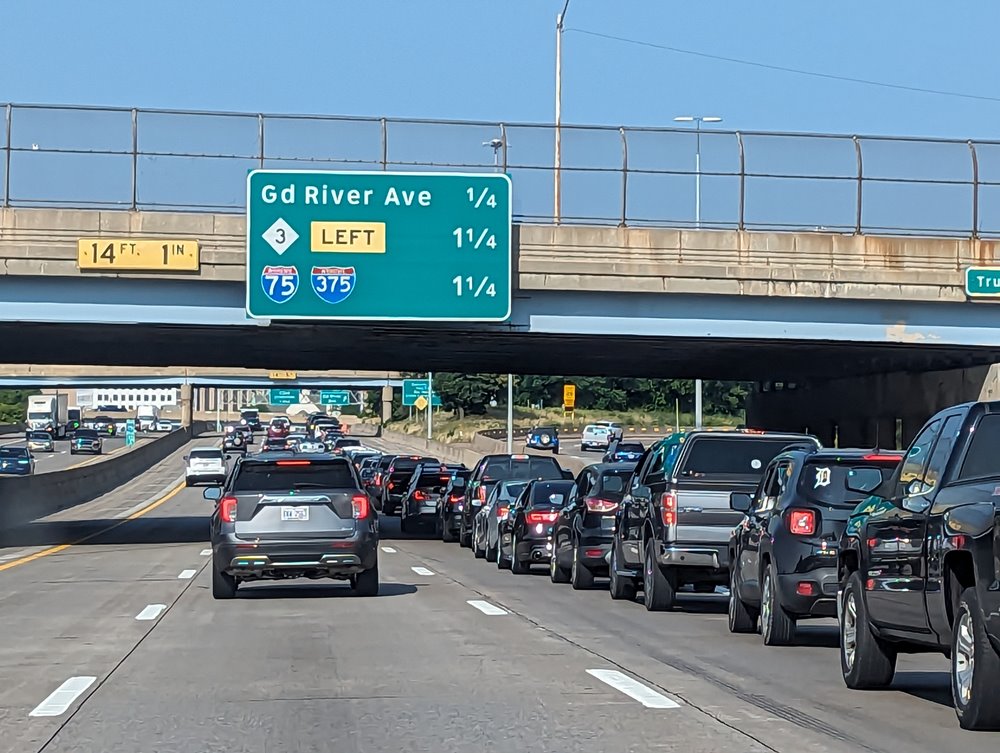

Traffic on Interstate 75 (I-75) can move smoothly for miles, then slow down without warning. Drivers often reach a point where brake lights appear suddenly, and speeds drop fast, even when there is no obvious crash ahead. These changes are usually tied to everyday road conditions, driver behavior, or bottlenecks near busy exits, creating phantom traffic jams that frustrate thousands of commuters.
Interstate 75 traffic slowdown causes are often predictable once you know what creates sudden highway delays. The sections below explain why traffic backup on interstate travel happens so quickly and what drivers usually run into when the flow breaks apart.
Congestion Near Major City Approaches
Sudden slowdowns on I-75 often start near metro areas where traffic volume rises quickly. Approaches into cities like Atlanta, Tampa, or Cincinnati bring more commuters, heavier merging, and tighter spacing between vehicles. Drivers may still be moving at highway speed until they reach a wave of congestion ahead.
Congestion slowdown causes in these areas usually involve stop-and-go flow that builds during rush hours or weekend travel surges. Even one driver braking sharply can trigger a chain reaction behind them. Sudden highway delays become more common when exits are close together, and drivers are trying to cross lanes quickly to reach ramps in packed traffic.
Merging Traffic from Busy Entrance Ramps
Entrance ramps are a frequent reason for traffic backup in interstate patterns. When vehicles enter I-75 in heavy clusters, drivers already on the highway adjust by braking or changing lanes. If several ramps sit close together, the right lanes become crowded, and the middle lanes fill up fast.
Sudden highway delays often happen when merging drivers hesitate or when through-traffic doesn’t leave enough space. These moments create ripple effects that spread backward for miles. Traffic slowdown causes are not always dramatic crashes. Sometimes the slowdown starts because a steady stream of vehicles enters faster than the highway can absorb, especially near suburban shopping corridors or large commuter zones.
What Happens with Small Crashes and Disabled Vehicles Ahead?
Even a minor incident can cause a major slowdown on I-75. A fender bender on the shoulder, a stalled car blocking part of a lane, or debris in the road often forces drivers to brake quickly. That sudden braking creates a traffic wave that travels backward long after the scene is cleared.
Backup in traffic is common when drivers slow down to look at an incident, even if lanes remain open. These are often called “rubbernecking” slowdowns, and they can cause delays far larger than the crash itself. Sudden highway delays from small incidents are especially common in high-volume stretches where drivers have little room to maneuver.
Work Zones that Narrow Lanes Quickly
Construction zones are one of the clearest I-75 traffic slowdown causes because they change the road layout with little warning. Drivers may encounter lane shifts, reduced shoulders, or temporary barriers that force everyone to compress into fewer lanes.
The Federal Highway Administration (FHWA) explains in its Traffic Congestion and Reliability report that traffic backups are often triggered by temporary disruptions like crashes, work zones, and lane closures, even when demand is not unusually high.
Sudden highway delays in these areas happen because traffic has less room to move smoothly, and once drivers brake in a narrow zone, the slowdown spreads backward very quickly.
What About Speed Differences Between Cars and Trucks?
Large trucks are a constant presence on I-75, especially through freight-heavy corridors in the Southeast and Midwest. Traffic can slow suddenly when trucks climb grades, merge into traffic, or pass one another at lower speeds. Passenger vehicles moving faster may stack up behind slower trucks, especially when lanes are limited.
Interstate patterns created by traffic backups often form when drivers change lanes rapidly to get around a truck, creating turbulence in the flow. Sudden highway delays can also occur when a truck needs extra room to stop, causing brake waves behind it. Interstate 75 traffic slowdown causes frequently involve these speed mismatches rather than a full closure.
Weather Changes that Reduce Visibility
Rain, fog, or winter weather can turn smooth traffic into sudden braking zones. Even light rain makes roads slicker and reduces visibility, leading drivers to slow down unevenly. Bridges and shaded areas can freeze first in colder states, creating surprise slowdowns.
Sudden highway delays often happen when drivers do not adjust their speed early enough. Traffic backup interstate flow becomes more unstable when one group of drivers slows dramatically while others keep moving at full speed. Weather-related slowdowns are common on I-75 because the highway passes through regions with very different climate conditions, from Gulf Coast storms to snowy northern stretches.
How Can Drivers Respond to Sudden Slowdowns?
Drivers can’t prevent every slowdown they encounter, but they can react in ways that reduce risk and stress. Leaving extra following distance helps when brake lights appear suddenly. Staying calm and avoiding aggressive lane changes also reduces the chance of collisions during stop-and-go flow.
Here are practical habits that help during sudden highway delays:
- Watch far ahead for brake waves.
- Avoid last-second merges near exits.
- Slow down early in work zones.
- Expect congestion near city edges.
Traffic backup on interstate travel is frustrating, but safer responses often depend on patience and steady driving rather than quick maneuvers.
Reading I-75 Slowdowns Realistically
Congestion on I-75 can slow down very quickly because the highway carries heavy traffic volume, frequent merging, construction zones, truck activity, and sudden changes in road conditions like heavy rain or fog. Traffic slowdown causes are often linked to bottlenecks, short lane closures, or small disruptions that grow into long backups. In many cases, delays begin with everyday bad driver behavior, such as following too closely, braking abruptly, or cutting across lanes near exits, rather than a major crash.
Drivers who recognize these patterns can better anticipate sudden highway delays and stay calmer when traffic backup conditions appear without warning. If you need support after a serious collision, we can connect you with an I-75 car accident attorney to discuss your situation and possible next steps.
Accidents currently listed on i75accidents.com
40 accidents in 2022
430 accidents in 2022
1 accident in 2022
2 accidents in 2022