
,
Technology That Could Improve Safety on I-75
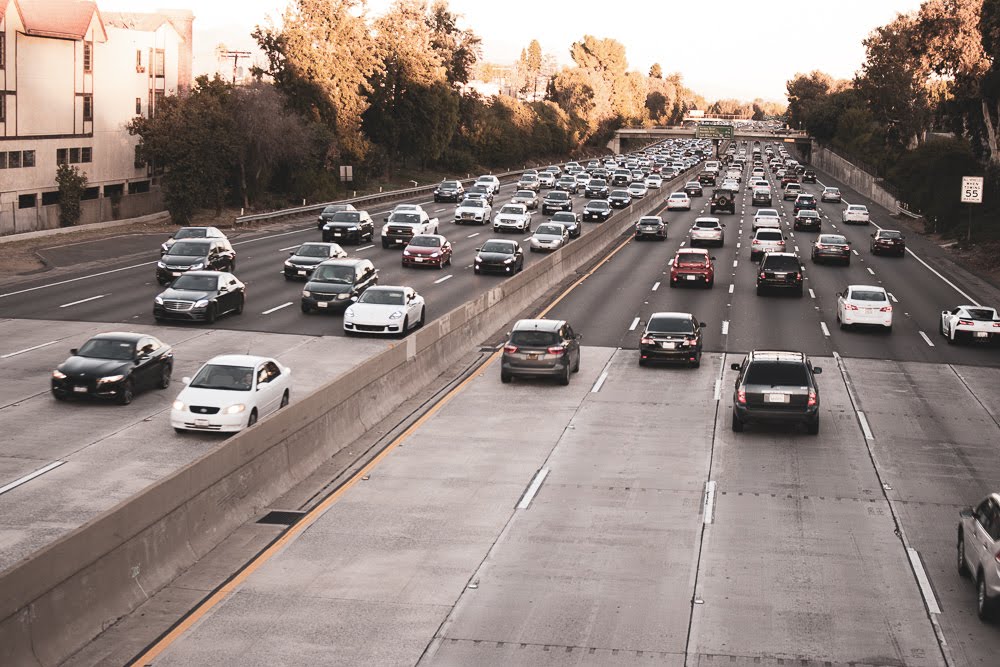

Interstate 75 (I-75) is one of the busiest north–south highways in the United States, carrying commuters, freight traffic, and long-distance travelers through major cities and rural stretches alike. With that volume comes risk: congestion, speed differentials, fatigue, and sudden slowdowns all contribute to serious crashes.
In recent years, transportation agencies and vehicle manufacturers have focused on safety technology initiatives that aim to prevent collisions before they happen. From connected infrastructure to advanced driver-assistance systems, these innovations point toward a future of smart highways that actively reduce crash risk rather than just respond to it.
This article explores the most promising technologies that could improve safety on I-75, how they work, and what they realistically can—and cannot—do for drivers today.
Why I-75 is a prime candidate for smart highway technology
Interstate 75’s layout makes it an ideal testing ground for new safety systems. The corridor includes dense urban bottlenecks near cities like Detroit, Cincinnati, Atlanta, and Tampa, as well as long rural segments where high speeds and fatigue are common. Traffic conditions can change abruptly, especially near interchanges, work zones, and weather-affected areas.
Traditional safety tools—signage, enforcement, and roadway design—remain important, but they are often reactive. By contrast, smart highways use data, sensors, and communication tools to anticipate problems. On a corridor as heavily traveled as I-75, even small improvements in reaction time or driver awareness could translate into fewer crashes and less severe injuries.
Federal transportation agencies have emphasized innovation as a core safety strategy. The Federal Highway Administration (FHWA) highlights roadway innovation as a key tool for reducing crashes, improving traffic flow, and increasing reliability on major highways through modern infrastructure and technology deployment.
Connected Vehicle and Infrastructure Systems
One of the most promising developments for I-75 is vehicle-to-infrastructure (V2I) and vehicle-to-vehicle (V2V) communication. These systems allow vehicles to exchange information with each other and with roadside equipment.
For example, sensors embedded near interchanges or work zones can detect slowing traffic and transmit warnings upstream. A driver approaching at highway speed might receive an alert—through a dashboard display or smartphone interface—that traffic ahead is stopped. That extra few seconds of warning can prevent a high-speed rear-end crash.
Connected systems can also support dynamic speed advisories. Instead of static speed-limit signs, drivers see recommended speeds that adjust based on congestion, weather, or incidents ahead. On I-75, where sudden queues are common, this technology directly targets one of the corridor’s most frequent crash triggers.
Advanced Driver-Assistance Systems Already on the Road
While full smart-highway deployment takes time, many vehicles are already equipped with advanced driver-assistance systems (ADAS). These features don’t require new pavement or sensors to start saving lives.
Automatic emergency braking can detect stopped or slowing vehicles and apply brakes faster than a human driver. Lane-keeping assistance and lane-departure warnings help prevent drift-off crashes, which are common on long, monotonous interstate drives. Adaptive cruise control automatically adjusts speed to maintain safe following distances in traffic waves.
The Insurance Institute for Highway Safety has found that vehicles equipped with certain ADAS features experience significantly fewer rear-end crashes, particularly in congested conditions. While technology can’t eliminate risk, it can reduce the severity of mistakes that drivers inevitably make.
For I-75 commuters and long-haul travelers alike, these systems act as a second set of eyes—especially valuable during fatigue, heavy rain, or nighttime driving.
Smart Work Zones and Real-Time Traffic Management
Work zones are a persistent hazard on I-75. Lane shifts, narrowed shoulders, and reduced sight distance all raise crash risk. Smart work-zone technology aims to address this by making construction areas more predictable.
Portable sensors and cameras can measure vehicle speeds and queue length in real time. That information feeds into portable message boards miles upstream, warning drivers of backups ahead.
Here´s an outline on how smart work-zone technology improves safety:
- Queue detection sensors identify slow traffic before drivers can see it.
- Dynamic message signs provide earlier warnings than static signs.
- Speed feedback displays encourage drivers to slow down through visual cues.
- Incident alerts notify traffic managers immediately when a crash occurs in the zone.
On I-75, where work zones often stretch for miles, these tools directly target the conditions that cause severe chain-reaction crashes.
The Limits of Technology on I-75
Despite their promise, safety technologies are not a cure-all. Smart highways depend on maintenance, funding, and driver compliance. Alerts only work if drivers pay attention. ADAS features only help if they are enabled and understood.
There are also equity concerns. Not every driver has a newer vehicle with advanced safety features, and not every stretch of I-75 will receive the same level of technological investment. Rural segments may lag behind urban areas, even though fatigue and speed-related crashes are common there.
Technology works best when paired with good driving habits: reasonable speeds, adequate following distance, and attention to changing conditions. Smart highways can reduce risk, but they cannot override reckless or impaired behavior.
What These Innovations Mean for Drivers and Families
As safety technology on I-75 continues to expand, drivers can expect:
- Earlier warnings.
- Smoother traffic flow.
- Fewer surprise slowdowns.
Over time, these improvements may lower crash rates and reduce injury severity along the corridor of I-75.
For families affected by serious crashes, technology also plays a crucial role in investigations, providing clear, valuable evidence. Data from vehicle systems, traffic sensors, and cameras can help clarify what happened and why—especially in complex multi-vehicle collisions. That information is critical when determining responsibility and understanding whether warnings or safeguards failed. These advancements offer a path toward a safer I-75 for everyone.
Injured on I-75? Call a Lawyer
Interstate 75 will always be a demanding highway, but technology offers real opportunities to make it safer. Connected infrastructure, advanced vehicle systems, and smarter work-zone management all point toward a future where crashes are less frequent and less severe. While no innovation replaces careful driving, smart highways and modern safety tools can give drivers more time, more information, and more margin for error.
If you were injured in a crash on this corridor and want to better understand your options, we can connect you with an I-75 car accident lawyer who can review the circumstances and help you take the next steps.
Accidents currently listed on i75accidents.com
31 accidents in 2022
486 accidents in 2022
2 accidents in 2022